How to Prepare Your AC for the Heat


As temperatures begin to rise, it’s time to prepare for spring. The last thing anyone wants is to find themselves overheating, trying to turn on their AC, and finding that it is not working properly. Spring is the perfect season to give your cooling system a little TLC, ensuring it’s ready to keep you comfortable when the heat gets here. In this guide, we’ll walk you through the essential steps to prepare your HVAC system and AC unit for the upcoming spring months.


Schedule Professional Maintenance: While some AC maintenance can be handled by homeowners, it’s essential to schedule a professional HVAC inspection for more technical issues such as refrigerant leaks or coil damage. One of our certified technicians can identify and address potential issues, ensuring your system operates at its best when you need it most.


Clean and Replace Air Filters: Checking and replacing your air filters can be a quick way to help your AC run efficiently. Over the winter months, dust and debris can accumulate, affecting your system’s efficiency and indoor air quality. Regularly cleaning or replacing filters ensures optimal performance and a healthier living environment.


Inspect and Clean Coils: Your HVAC system’s coils – both evaporator and condenser – play a vital role in heat exchange. Take the time to inspect and clean these coils, removing any dirt or debris that may have built up during the winter. Clean coils contribute to improved energy efficiency and prevent potential system malfunctions.


Check Thermostat Settings: Spring brings fluctuating temperatures, and adjusting your thermostat settings accordingly can save energy and enhance comfort. Consider programming your thermostat for warmer daytime temperatures and slightly cooler evenings. Smart thermostats offer convenient options for setting schedules and optimizing energy usage.


Seal Leaks and Insulate: Efficient insulation and sealing any gaps or leaks in your home are crucial for maintaining a comfortable indoor temperature. Check doors, windows, and other potential air leaks, and invest in insulation where needed. Proper insulation will increase the efficiency of how your home retains the cool air your AC is outputting, helping your AC to not have to run as much.


With these items checked off your list, you can rest easy knowing your home is ready to take the heat and keep you and your family comfortable.
Your One-stop Shop for Small Repair Jobs


Home renovations can breathe new life into your home, enhance functionality, and increase property value. Whether you’re considering an upgrade to your bathroom, light fixtures, or a complete home renovation, the help of a professional can make all the difference. Talk to one of our experts today and we will ensure that your renovation dreams become a reality.


Here are some helpful tips on what our professionals can assist with when replacing taps, toilets, and leaky pipes:

1. Fixture Installation

Our professional plumbers can install your plumbing fixtures. They can advise on functionality and water efficiency, and handle the installation process to make sure that your new fixtures will both fit and operate properly.

2. Leak Detection and Repair

If you have leaky pipes or fixtures, our plumbers can perform a thorough inspection to identify the source of the leak and recommend appropriate solutions. They can repair and replace damaged pipes, fittings, and seals to prevent further water damage and restore proper function to your plumbing system.

3. Toilet Installation and Sealing

Installing a new toilet requires precise measurements, proper sealing, and secure connections to prevent leaks and ensure proper operation. Our plumbers can handle the installation process from start to finish, including removing the old toilet, preparing the area, and installing the new one with a watertight seal.


Here are some helpful tips on what our professionals can assist with when replacing light fixtures, light switches, and wall plugs:

1. Fixture Installation

Our professional electricians can install your light fixtures ensuring that fixtures are securely mounted, wired correctly, and properly grounded.

2. Switch and Outlet Replacement

If you’re upgrading outdated light switches or wall plugs, our electricians can assist with the replacement process. They can safely disconnect the old switches or outlets, install new ones, and ensure that they are wired correctly and function properly.

3. Wiring Inspection and Repair

Before installing new light fixtures, switches, and outlets, it’s essential to inspect the existing wiring for any damage or wear. Our licensed electricians can assess the condition of the wiring, make any necessary repairs or replacements, and make sure that the electrical system is up to code.


By enlisting the help of our professional plumbers and electricians for your renovations, you can rest assured knowing that the work is done safely, efficiently, and up to code, allowing you to enjoy your newly improved space with peace of mind.

Simple Tips To Tune Up Your Appliances For Fall

Call a Pro, Keep It Neat, Breathe Clean

It’s that time of the year. Kids have gone back to school, nights are getting cooler and days are getting shorter. It won’t be long until we’ll need to shift our homes from the care-free days of summer to prepare for the change of seasons. To help get you ready for this, we’ve put together a list of simple tips to prep your home appliances for fall — some you can do yourself, others that are best left to the pros.

  1. Schedule a fall furnace tune-up with a professional

    While there are plenty of things around the house you can do yourself safely, this isn’t one of them. Call your local heating and cooling contractor to schedule a fall tune-up to make sure your furnace is operating correctly and is ready to carry the heating load once the temperatures drop.

  2. Change your filters

    This is like putting air in your tires, a simple task that any one of us can do – but how many times does it slip your mind? A dirty air filter will restrict the flow and cause your furnace to work harder, potentially shortening its life. Also, if you have a whole-home humidifier, inspect the pad and change annually. If you followed item No. 1 above, your contractor will already have done these steps and you’d have one less item on your fall home prep list.

  3. Clean out your mechanical room

    Go ahead, admit it. Right now the room where your furnace and water heater are located appears to have become the dumping ground for the garage sale you never get around to having. Donate those items and dispose of those that have outlived their value. Pull out your shop vacuum and eliminate the dust bunnies from around your furnace and water heater, which will help keep the air in your home cleaner and help your furnace to operate more efficiently.

    Keep any paint or solvent cans out of your mechanical room as they are flammable and put off potentially noxious odors. Your cat litter box should not be stored anywhere near you furnace as the fumes that come from it will damage the components in your furnace.

  4. Clear your drains

    You might see that there are several drain hoses coming out of your furnace, designed to remove condensation from inside the main chamber. Inspect these lines to ensure there aren’t any kinks in them, they are clear of any debris and are pointing into your drain to avoid water issues. If you followed item No. 1 above, your contractor will already have done these steps.

  5. Water maintenance

    If you have a water softener, when did you last check your salt levels? You should check it every 2-3 months and keep an eye out for bridging, when the salt forms a cap and looks artificially full.

    And finally, the fall is a great time to perform your annual water heater maintenance. Turn off the power supply, if electric then turn off the breaker or if it is a gas model then turn the dial to off. Use a hose to drain the water from your tank into your floor drain until it runs clear. Doing this annually will help ensure your water heater operates optimally.

Once you have all these items checked-off, you’ll feel better knowing your home is ready and you’ll be comfortable as winter weather arrives.

What Should I Know About Furnace Filters?

A furnace filter’s job is to protect your air circulation system from building up layers of dirt and debris as it circulates the air through your home. They also help remove contaminants from your air in the process.

A dirty filter can be the cause of a lot of furnace issues from poor heat or no cooling. Your filter needs to be inspected or changed on a regular basis depending on what type of filter you have.

What kinds of filters are there?

All filters should have the MERV rating listed on it. The MERV rating indicates the size of particles that will be captured in the filter. The ratings range from 8-16, the higher the number the more particles it will capture.

How often should I change my filter?

While there is no cut-and-dry answer for how often to change your furnace filters due to different home environments, there are a few guidelines you can follow:

  • Most 1 inch filters are a Merv 8 and they can last 6 to 12 weeks .
  • The Merv 11 filters come in the 3 to 5 inch size and can last up to a year depending if you have pets in the house and where you live.
  • If you notice the filter has become dirty, especially to the point where you cannot see the filter material.


Can I change my own filters?

Yes!

Changing your furnace is something anyone can do, and will help keep your air cleaner and your furnace running better.

View our Furnace Filter Options video for more tips on changing your filters.

UV Light Systems – The Good, The Better, and The Best

These days, we are spending more and more time indoors due to COVID-19. If you are looking for a chemical-free way to improve the air quality in your home, look no further than a UV light system.

Adding a UV light system to your furnace system is a great way to both improve your air quality and increase the efficiency of your system.

We’ve broken the options down into three categories: Good, Better, and Best. (Prefer watching a video? Check out our UV Air Purification Video instead!)

The Good

In the good category we have the Sabre Pro UV Light that is placed over the AC coil above the furnace

Over time a film covers your coil and it acts as an adhesive, attracting dirt and coating the fins of the coil. This results in an odor coming from the equipment and a loss in efficiency as the equipment has to work harder to provide air flow.

Some of the features are:

  • It’s a chemical free way to keep your coil clean
  • The 16″ UVC germicidal lamp kills bacteria and viruses that grow in the coil
  • It will improve your AC’s efficiency
  • It reduces odors in your home


The Better

A Better option for your home is the Sanuvox R Max

It provides a whole home UV air treatment solution and can be installed on either the return or supply duct system of your furnace. The R Max design maximizes contact time between the air and UV energy, increasing bacteria’s exposure to UV rays.

It will treat homes up to 4,000 sq.ft., and rapidly purifies the air and removes odors within the home.

Some of the features are:

  • It protects your family from airborne germs
  • Helps reduce odors
  • Alleviate allergies and flue symptoms
  • Helps control asthma
  • The Cobalt Catalyst destroys VOC’s (Volatile Organic Compounds)


The Best

The best system we offer is the Lennox Healthy Climate PureAir

It cleans the air in the home better than any other single system. It is a more efficient filter cabinet that replaces your current one.

It attacks all three classes of contaminants, providing a healthier home environment:

Here is a summary of the features:

  • It exceeds hospital intensive care operating room requirements
  • It removes smoke particles, and infections bacteria including airborne viruses such as MERSA, flue and cold viruses down to 0.01 micron
  • Produces no ozone, which is a known lung irritant
  • Destroys household odors and chemical vapors
  • Made by Lennox, quality you can trust
  • Uses the #1 rated MERV 16 Carbon Clean media filter


No matter which system you choose, GLT can help you clean the air in your home.

Your Health & Comfort Matter Most

We’re living in uniquely challenging times and we know you’re doing all you can to care for yourself and your family during the COVID-19 pandemic.

As an essential business, GLT is ready to assist homeowners throughout Southeast Manitoba. If you find yourself needing immediate repairs, contact us. We’re doing all we can to support our dealer partners during this time as they continue performing these important services.

As you and your family continue to practice social distancing, your home comfort has never mattered more. As we are all spending more time indoors, the air quality, and not just the temperature, can make a difference in how you feel. Read up on simple steps you can take today to take care of your air.

  • Keep The Air Circulating in Your Home – It’s important to keep the air circulating through your home so your family is breathing fresh, clean air. To do this, turn on the circulate feature on your thermostat to keep the air moving through your filtration system. This will ensure the air is flowing through the filter and getting cleaned more often. If you have an iComfort® Ultra Smart Thermostat, check out this video to see how you can adjust your fan mode.
  • Replace or Upgrade Your Filter – You should already change your filters on a seasonal-basis to reduce the amount of dust and allergens in your air, but now is a good time to make sure your filter is clean and if not, consider an upgrade to a higher-efficiency filter. When looking at air filters, you should look at the MERV rating, or Minimum Efficiency Reporting Value. This measures how successfully it filters pollutants. The higher the MERV rating, the higher the percentage of small-sized particles that are trapped by the filter. It is these fine-sized particles (smaller than 2.5 microns) that pass through our nose unfiltered and are known to possibly cause respiratory issues. Flat-panel fiberglass filters, or washable filters, are the most basic and economic filters, and they typically rank between 1 and 4 on the MERV register. The primary role of these filters is to protect the HVAC equipment. Pleated media filters are better and are rated between 5 and 16. We advise buying no less than a MERV 13 if the system allows for it. Keep in mind that many of the filters available in the market are very restrictive to airflow at higher efficiencies, but the Healthy Climate Solutions™ filters from Lennox are designed to provide minimal restriction to air flow while providing MERV 13 and MERV 16 filtration efficiencies.It’s important to note that Lennox MERV16 filters contain a glass backing and should not be used to construct a mask, respirator or any application other than filtration associated with HVAC systems.High Efficiency Particulate Air (HEPA) filters are regarded as the gold standard in air filtration, because they’re usually in use at hospitals. They’re effective at trapping 99.97–99.99% of indoor pollutants, including pollen, pet dander and smoke.
  • Get Your Best Night’s Sleep – There’s a direct correlation between your body’s temperature and sleep cycle. Research suggests that the ideal condition for sleep sits somewhere between 60 and 67 degrees. If that seems on the cool side, there’s a reason: your core body temperature drops to a lower level during sleep. An overly warm temperature interferes with your brain’s messages that it’s time to get some shut-eye.
  • Adjust Your Temperature for Your Fitness Routine – As you’re practicing social distancing, you’re likely adjusting a majority of your routines, including how and where you exercise. Practicing traditional yoga calls for a temperature between 70 and 76 degrees, but you might want to raise or lower your thermostat by a few degrees depending on your personal preference. You also want to keep in mind your home’s humidity, airborne pollutants and even a general perception of how the air “feels.” A good HVAC system integrated with the right indoor air quality solutions lets you control all of these factors so that your workout leaves you feeling great inside and out.
  • Call the Professionals – Whether you have questions around upgrading your filter, seasonal maintenance or repairing or replacing your system, we are here for you during this time. Before you try to correct a system error or make a purchase on your own, contact us for an expert’s opinion.

We know these are challenging times. We are here to help and are committed to keeping your air, and your home, perfectly comfortable. Here’s to home.
*Based on in-duct testing that shows Healthy Climate® filters reduce airflow restriction. Greater restriction of airflow creates a greater load on a unit’s fan motor, increasing energy consumption.

Whole-Home Humidifier FAQ – Everything You Need To Know

There seems to be a lot of questions surrounding whole-home humidifiers. Like, do humidifiers really work? Even if you’ve installed one, there are still some unknowns Canadians need answers to. Whether you’re just curious or you own one yourself, here are some of the more popular questions about whole-home humidifiers.

How Many Types Of Humidifiers Are There?

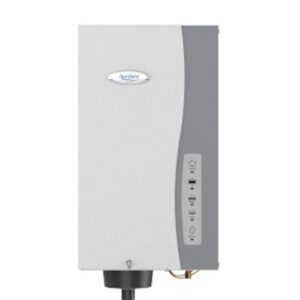
Not your average portable humidifiers, a “Whole Home” humidifier’s responsibility is to add humidity throughout the entire home. Drum, flow-through and steam are the three main types of central humidifiers that Canadian’s trust.

Drum Humidifiers

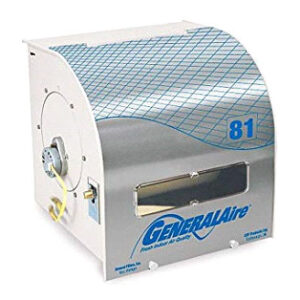
A basic whole-home humidifier is powered by a motor and rotating belt. It works by rotating the belt through a small tray of water, the water then evaporates off the belt into the air and into your return air ducts where moisture-laden air is then distributed throughout your home. These humidifiers are extremely simple and not especially precise. Although it’s the cheapest humidifier out of the three, it does require frequent maintenance.

Flow-Through Humidifiers

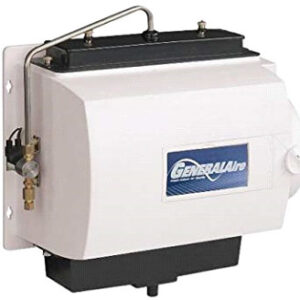
Flow-through humidifiers utilize an evaporator pad to distribute moisture into your home. A stream of water continuously passes by the pad to ensure it’s always moist. Like the drum humidifier, the water is then evaporated into the return air duct and spread out into the home. An efficient humidifier that requires less maintenance.


Flow Through Humidifier

Steam Humidifiers

The steam humidifier is the most precise and efficient humidifier out of the three. This electric-powered humidifier produces an electrical current that heats and evaporates the water. This creates moisture heavy air that is then sent throughout the home to balance indoor humidity. A more expensive product but requires little maintenance.


Steam Humidifier

How Do You Know If You Need A Humidifier?

Low humidity can cause all sorts of trouble, both for your health and your home’s indoor air quality. At the core, low humidity is simply dry air, a lack of moisture and is most common in cold weather.

With dry air comes dry skin. If your wrists and scalp are always itchy and flaky during the winter, your home has low humidity.

Colds and sinus infections (and other health issues) aren’t only passed from snotty nose kids but from dry air as well. Running humidifiers will keep your throat and nasal passages moist – supporting your body’s natural protection against airborne infections.

Are your door’s stuck or floor’s creaky? This is probably due to the low humidity. The dry air in the room will shrink and warp everything wood, from your flooring to your furniture. If you want to check your home’s humidity levels before catching a cold or suffering itchy skin and static shocks you will need a hygrometer. A hygrometer is a tool created to measure the humidity levels in the room.

How Is Your Humidifier Controlled?

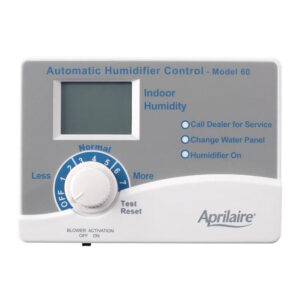
Every humidifier is equipped with a humidistat. The humidistat is usually installed in the same location (basement) as the whole-home humidifier. Similar to a thermostat, humidistats are connected to your forced air heating system to either manually or automatically adjust the humidity in your home.

Humidistat

What Is The Ideal Home Humidity Level?

The recommended humidity levels during the summer of 40-50% and the ideal humidity level in winter between 30 and 40%.

What Is Forced Air Heating?

Forced air heating and whole-home humidifiers work hand in hand, creating a very efficient heating and cooling system experience. Both help each other work better and efficiently. In a nutshell, forced air systems use a series of pipes (ducts) to pull cold, dusty or dirty air into the system and then push conditioned (heated, cooled, filtered, humidified) air throughout the home.

Forced air heating via natural gas is one of the most common ways to heat a home in Manitoba. As well as being an efficient way to heat your home, balance home humidity levels and improve your air quality, all in one system.

What Are Trusted Brands For Humidifiers?

Aprilaire and GeneralAire are very efficient and lead the way in defeating dry air during the winter. These brands ensure your home is adequately humidified and balanced. Both are properly designed to prevent mold from forming within the systems.

Humidify With GLT

If you need a Whole-Home humidifier installation or desire an upgrade, give GLT a call. We install quality brands of whole-home humidifiers and have acquired the knowledge to show you how to use and maintain them. If you’re ready, request a quote with us today!

How Long Does A Water Heater Last?

A water heater is a home plumbing essential but like all appliances, it does have a limited service life. And when your water heater is about to fail, you had better be ready!

Otherwise, you will be facing cold water just when you’re craving a hot shower and – even worse – dealing with possible water damage to your home.

So be prepared. Learn how long a water heater typically lasts and what you can do to help it last longer.

How Long Does A Tank Water Heater Last?

A conventional electric or gas water heater maintains heated water in an insulated storage tank. The average tank lasts 10 – 15 years. If you’re not sure how old your unit is, check the serial number.

How Long Does A Tankless Water Heater Last?

Tankless (“on demand”) water heaters  are energy savers. They do not have a storage tank, but instead heat water as needed. Because there’s less wear and tear, tankless models last at least 20 years, and longer with good maintenance.

How Do You Know When A Water Heater Needs To Be Replaced?

Look for these warning signs:

  • Age. An ageing tank water heater (over 9 – 12 years) is often an accident waiting to happen, especially when it’s installed in an area of your home that is vulnerable to water damage. Look into a replacement.
  • Strange noises. Sounds of banging or cracking are often caused by sediment deposits in the tank. Excess sediment buildup might signal the need for a new water heater.
  • Lukewarm or cold water. A hot water heater’s job is simple: heating water. When a heater just doesn’t perform as well as it used to, it may be due for replacement.
  • Rust. Rust on your appliance’s exterior tends to be obvious. Discoloured or metallic-tasting water can be a good clue that the tank is corroding on the inside. A rusted hot water tank is too far gone to repair.
  • Leakage. Leaking from your hot water tank almost always signals that you need a replacement … now!

How To Make Water Heaters Last Longer

Try one or more of the following methods. You’ll help your water heater last longer.

  • Scheduled Tune Ups
    Regular tune ups help your water heater work more efficiently and last longer. A trained technician is also more likely to spot warning signs that your water heater might be about to fail.
  • Scale Inhibitor or Water Softener
    If you live in an area with hard water, limescale mineral deposits can harm both conventional and tankless water heaters. Use a scale-inhibiting filter to protect your water heater and help it last longer. Alternatively, install a whole-house water softener.
  • Flushing
    Drain (“flush”) your hot water heater tank every 6 – 12 months to clear out sediment buildup. While this can be a DIY home maintenance task, if you are unsure of what you’re doing or the tank is being drained for the first time in years, you may want to call a professional.
  • Anode Replacement
    The anode, a metal rod inside your water heater, attracts ions and minerals which would otherwise corrode the tank. After 2 – 3 years, have the anode checked annually and replaced when it deteriorates. Help your tank last longer; for additional protection, install a second anode rod.

Anode Rod

For Fast Expert Service

Are you wondering whether your water heater is still good? Thinking of upgrading to a new hot water tank … or installing a tankless model? Or would you just like to schedule a routine tune-up?

We’re here to answer your questions and provide the service you need.

Does a High Efficiency Furnace Really Save You Money?

People are always looking for ways to save money, particularly during the winter. Let’s face it; heating your home is expensive. So when it comes time to replace their furnace, the biggest question is: will a higher efficiency one actually save you money?

You Could Save $22.50 a Month – or More – on Your Heating Bill

The best way to figure out if a high efficiency furnace is worth it is to break down the numbers.

Let’s say the average home owner spends approximately $150 a month on heating and cooling, and your furnace has an Annual Fuel Utilization Efficiency (AFUE) of 80. This is common for most furnaces purchased more than ten years ago.

An AFUE of 80 means that for every dollar you spend on heating, 20 cents are essentially being wasted.

When you’re ready for a new furnace, you upgrade to a high efficiency furnace with an AFUE of 95, a common rating for the furnaces of today, and just above the government-required AFUE of 90.

This translates to about $22.50 a month in savings (15% of $150) when your furnace is in use. That doesn’t sound like a lot until you add it up over the years. Since a well-cared for furnace has a lifespan of 15 years or more, you’ll more than make up for the higher upfront costs of purchasing a higher efficiency furnace.

Use Resources and Tools to Get a More Accurate Estimate

Remember, each home is a little different when it comes to heating costs, and the above numbers were calculated based on one set of numbers.

In reality, some estimates say that you could save up to 40% on your heating bills. That’s why you should:

  • Use information from your gas bill and current furnace for more accurate calculations.
  • Talk to an experienced HVAC technician – they’ll be able to help answer questions you might have about the furnace itself.

Benefits of High Efficiency Furnace

While money definitely talks, an upgraded furnace offers more than just savings.

Rest Easy Knowing Your Furnace is the Best

A new furnace means you’ll be confident in your heating system this winter.

With annual tune ups and proper care, you’ll be able to rest easy every night knowing that your furnace is one of the best, and you won’t wake up at 4 AM with no heat in -25 degree weather.

Your Home Will Be Quieter

Do you groan internally – or out loud – when your furnace turns on, and prepare yourself for the rising noise level? You shouldn’t be torn between your love of a warm house and your wish for silence.

High efficiency furnaces are much quieter, thanks to those leaps forward in technology! After you install one, you won’t be disrupted every time it kicks into gear.

You’ll Be Helping the Environment

High efficiency means that your new furnace will also be a little better for the environment. Not only will you be warm, but you’ll feel good about making a more environmental choice.

Talk to Us About Getting a High Efficiency Furnace

Once you’ve decided to join the high efficiency team, you have to pick the right high efficiency furnace. We want to save you money, but we also want to make sure that the furnace we install is one that will fit your home.

Give GLT a call, and we’ll help you choose your next furnace.

5 Reasons To Get Regular Air Duct Cleaning For Your Home

Cleaning the air ducts in your home on a regular basis can help to enhance your indoor environment by ensuring that the HVAC system works at optimum level. The air circulation, indoor air quality, system performance and energy costs can be affected by air duct cleaning. It will even affect the health of those in the home. Breathing fresh air will help to prevent a number of health issues that are caused by pests, debris and mold in the home.

1. Enhancing air circulation

When the ducts are cleaned, the debris clogging the system is removed creating a clear pathway that enhances air circulation. The air quality improves because it does not pick up the excess debris that is often present in the home. If you have kids in the home, get cleaning services more often to keep them healthy. It is also important to ensure that cleaning is done on a regular basis if you have pets in the home. The more traffic you have in the home, the more often you will need the cleaning services.

2. Improved system performance

Cleaning the air ducts will help to ensure that your AC system works more effectively by increasing the circulation. Dirt leads to decreased circulation and the system needs to work harder to provide the desired results. A simple cleaning process will improve performance meaning that you get optimum value from your unit. You should also change the filters regularly to enhance the circulation.

3. Increase the system lifespan

The best way to ensure that your system works perfectly for a long time is by making sure that it works efficiently. A clean system does not have to work harder than necessary to get the desired results. When the HVAC system is clogged by dirt, it has to work harder than recommended and the result is a shorter lifespan. Regular servicing of the system will lead to a reduction in energy costs. You can save up to 40% on your energy bill, which means that you end up saving money in the long run.

4. Diagnose system problems

Another reason to get regular cleaning and service is in order to diagnose any problems. If you feel like you are not getting the best results from your system, a qualified technician can identify the source of the problem. You can save on the cost of replacing the system by identifying and solving issues that affect the performance. In most cases, a good cleaning might be all your system needs to perform according to your expectations.

5. Prevent health problems

Air duct cleaning can help to avert health problems and those who suffer from asthma, allergies and other respiratory conditions can benefit from the cleaning. A number of health problems have been linked to air pollution in the home. Common pollutants like smoke, dust, dirt, and pet dander directly affect many people’s lives.
Getting your air ducts cleaned on a regular basis will help to keep your home safe and comfortable.